Upgrade Your Space: Premier Tile Installation Services for All Budgets
Upgrading a room through tile installation calls for thoughtful deliberation. Expert services offer accuracy and visual appeal that DIY efforts frequently fall short of. Even as rates fluctuate, the rewards of employing specialists tend to surpass the preliminary cost. Property owners need to evaluate their choices and grasp the complexities tied to tile picking and placement. The decision could noticeably impact the final outcome, prompting a closer look at the factors that influence this choice.
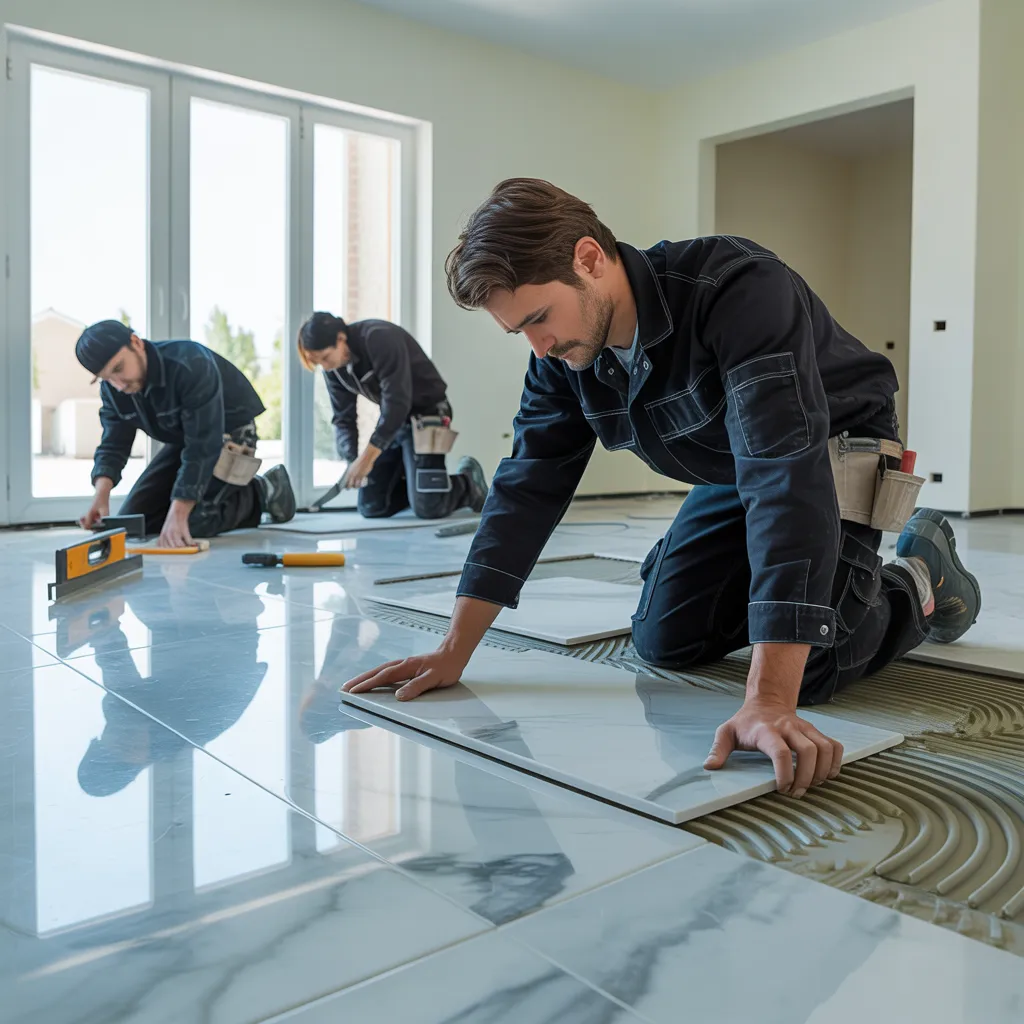
Why You Should Work with a Professional for Tile Installation
When thinking about tile installation, homeowners often underestimate the intricacies involved in the process. Proper installation requires not only an understanding of various tile materials but also an understanding of subfloor preparation, layout planning, and precise cutting techniques. Professionals bring expertise that minimizes the risk of costly mistakes, which often stem from inaccurate measurements or insufficient surface preparation. They additionally carry professional-grade tools that ensure a clean and efficient installation, delivering a polished finish.
Furthermore, bringing in a professional helps save time, giving homeowners the opportunity to focus on other remodeling priorities. Experienced professionals understand local codes and regulations, confirming compliance while reducing the risk of future issues. Overall, opting for professional tile installation can elevate the durability and attractiveness of the area, providing long-lasting benefits that DIY efforts may not achieve. For these reasons, enlisting the help of a professional is often the best choice for tile installation projects.
DIY or Hiring a Professional: Which Choice Is Right for You
When thinking about installing tiles, individuals often weigh the financial aspects of a DIY approach against hiring a professional. Cost considerations may impact the decision, but so too can the expertise and skill required for a proper installation. Weighing these elements can assist homeowners make an informed choice that aligns with their specific needs.
Budget Considerations and Costs
Frequently, homeowners encounter a significant decision when it involves tile installation: whether to take on the project as a DIY effort or work with an expert. Financial factors play a major role in this find now choice. DIY installations may initially seem budget-friendly, as homeowners can save on labor costs. However, they must account for the acquisition of tools, materials, and possible errors that may result in added costs. On the other hand, hiring a professional typically involves a higher upfront cost but can produce a more effective, superior installation. Skilled contractors commonly include warranties, giving homeowners confidence in their investment. At the end of the day, homeowners should balance the possible savings with the pros and cons of each alternative to reach a well-considered conclusion that fits within their financial means.
Expertise and Skill Set
Determining the appropriate skill level and experience required for tile installation is vital for homeowners contemplating a DIY project versus hiring a professional. Even though certain homeowners may have the confidence to attempt tile installation themselves, it typically calls for numerous technical skills, including accurate cutting, surface readiness, and appropriate adhesive use. Mistakes can lead to costly repairs and unsatisfactory results. In contrast, working with a professional guarantees the installation is carried out with precision, securing both durability and an attractive finish. Experienced professionals contribute a broad knowledge base, enabling them to address any obstacles that could surface during the installation. For this reason, evaluating personal capabilities in relation to the demands of tile installation is fundamental to making a thoughtful decision that fits both budget requirements and the desired final result.
Breaking Down the Costs for Tile Projects
Grasping the cost breakdown for tile projects is important for effective budgeting. This involves a summary of material costs and a clear overview of labor charges. By evaluating these elements, home improvement enthusiasts can make informed decisions about their tiling project.
Material Costs Overview
When beginning a tile installation project, a detailed cost breakdown is important for proper budget planning. Material expenses generally include tiles, adhesives, and grout. Tile prices vary considerably based on material type, with ceramic and porcelain typically being budget-friendly, while natural stone and specialty tiles often carry premium price tags. Moreover, high-quality adhesives and grouts can enhance durability but also increase overall expenses. It is vital to take into account the size of the area to be tiled, as this will significantly influence the quantity of materials needed. Elements such as delivery charges and anticipated waste must also be accounted for in the budget. By carefully evaluating these factors, homeowners can approach their tile installation projects with greater financial readiness.
A Guide to Labor Expenses
Labor costs serve a critical function in the complete budget for tile installation projects. Generally, these expenses include the compensation provided to skilled tradespeople, which can fluctuate according to expertise and regional location. Generally, labor accounts for 20% to 50% of the total project cost. Factors influencing labor expenses include the difficulty of the installation process, the type of tile used, and the size of the area being tiled. For instance, elaborate patterns or large-scale tiles may necessitate greater time and proficiency, leading to higher labor costs. Furthermore, preparatory tasks, such as eliminating old flooring or smoothing surfaces, can also influence overall expenditures. Recognizing these factors allows clients to plan their tile installation budgets more accurately.
Important Installation Strategies for Long-Lasting Tile
Attaining a long-lasting and appealing tile installation necessitates attention to key techniques that guarantee longevity. Initially, thorough surface preparation is vital; the substrate must be free of debris, even, and moisture-free to secure optimal adhesion. Additionally, selecting the right adhesive is critical, as varying tile materials and conditions require particular formulas. Throughout the installation process, preserving even grout lines and spacing benefits both visual appeal and practicality. Additionally, employing the correct trowel size guarantees even distribution of adhesive, preventing weak spots.
It is also important to permit sufficient curing time for the adhesive and grout, as this reduces the likelihood of movement or cracking. Lastly, using expansion joints in more expansive areas accommodates movement, further enhancing durability. By adhering to these techniques, tile installations will not only present a polished appearance but also withstand the test of time, rendering them a valuable investment for any environment.
Guidelines for Caring for Your Recently Installed Tile
While freshly laid tile can considerably elevate a space, proper maintenance is essential to protecting its beauty and functionality over time. Routine cleaning plays a key role; using a mild detergent and a soft mop can keep dirt at bay and sustain the luster without harming the surface. It is wise to refrain from using harsh chemicals that may deteriorate grout or tile finishes.
Sealing grout lines periodically can help protect against stains and moisture infiltration. Grout should be inspected by homeowners for cracks or discoloration and resolve any problems without delay. Additionally, placing mats in heavily used areas can help reduce wear and tear.
When it comes to natural stone tiles, cleaners specifically formulated for stone must be applied to prevent dulling the surface. Additionally, keeping humidity levels balanced throughout the home can help prevent mold from developing, particularly in moisture-prone spaces such as bathrooms. Following these tips can guarantee that newly installed tile remains a stunning feature for years to come.
Modern Tile Design Trends to Transform Any Room
As homeowners seek to modernize their spaces, today's tile design trends provide creative options that can revolutionize any space. One prominent trend is the use of large-format tiles, which create a seamless look and reduce grout lines, enhancing a sense of spaciousness. Furthermore, vibrant colors and elaborate patterns are experiencing a resurgence, providing opportunities for individual creativity in kitchens and bathrooms.
Textured tile options, such as ones that replicate natural materials like stone or wood, provide depth and warmth while remaining highly durable. Geometric patterns and mosaic designs are growing in popularity as well, delivering a creative flair to feature walls and backsplashes.
Eco-friendly materials are gaining momentum, supporting green design principles without sacrificing style. Finally, the incorporation of intelligent technology, such as heated tiles, offers both comfort and luxury. Such trends empower homeowners to transform their interiors while expressing their personal styles and design choices.
Selecting the Perfect Tile for Your Style and Budget
How can homeowners navigate the myriad of tile options available while staying within their budget? The key lies in understanding the different types of tiles available and their respective costs. Ceramic and porcelain tiles tend to be more affordable options, offering an extensive selection of styles and colors. Those looking to achieve a premium appearance may consider natural stone tiles, which bring a touch of elegance but require a larger financial investment.
Homeowners should also consider the size and configuration of the room. Bigger tiles can produce an impression of spaciousness and can potentially lower installation expenses thanks to fewer grout lines. Moreover, mixing different tile types can achieve a unique aesthetic while keeping costs manageable.
Planning a budget for installation is crucial, as the cost of professional services can differ significantly. In the end, balancing personal taste with financial awareness will enable homeowners to find the perfect tile that matches their aesthetic while avoiding unnecessary costs.
Frequently Asked Questions
How Much Time Does a Standard Tile Installation Project Require?
A standard tile installation job usually takes one to three days, based on the size of the area, complexity of the design, and tile type selected. Every project differs according to its unique requirements.
What Kinds of Tiles Work Best for Outdoor Use?
Recommended tiles for outdoor settings include porcelain, natural stone, and ceramic. These materials offer durability, weather resistance, and slip resistance, making them perfect for patios, walkways, and pool areas, guaranteeing safety and long-lasting performance across various climates.
Am I Able to Install Tiles Over My Existing Flooring?
Yes, tiles may be placed over an existing floor surface, given that the surface is level, clean, and structurally stable. Careful surface preparation is essential to guarantee adherence and prevent future issues with the tile installation process.
What Is the Ideal Grout Color for My Tile?
Choosing the best grout color depends on the aesthetic you want to achieve. Pale tones establish a cohesive finish, while deeper hues highlight tile designs. Neutral tones often provide versatility, making it simple to complement a wide range of decor styles and palettes.
How Do I Choose the Right Tile Size for My Space?
Identifying the ideal tile size entails taking into account the measurements of the surface, sought-after visual effect, and practicality. Oversized tiles can generate a perception of expansiveness, while tinier tiles add character and depth to complex spaces.